1. AI Impact on Workplace Dynamics
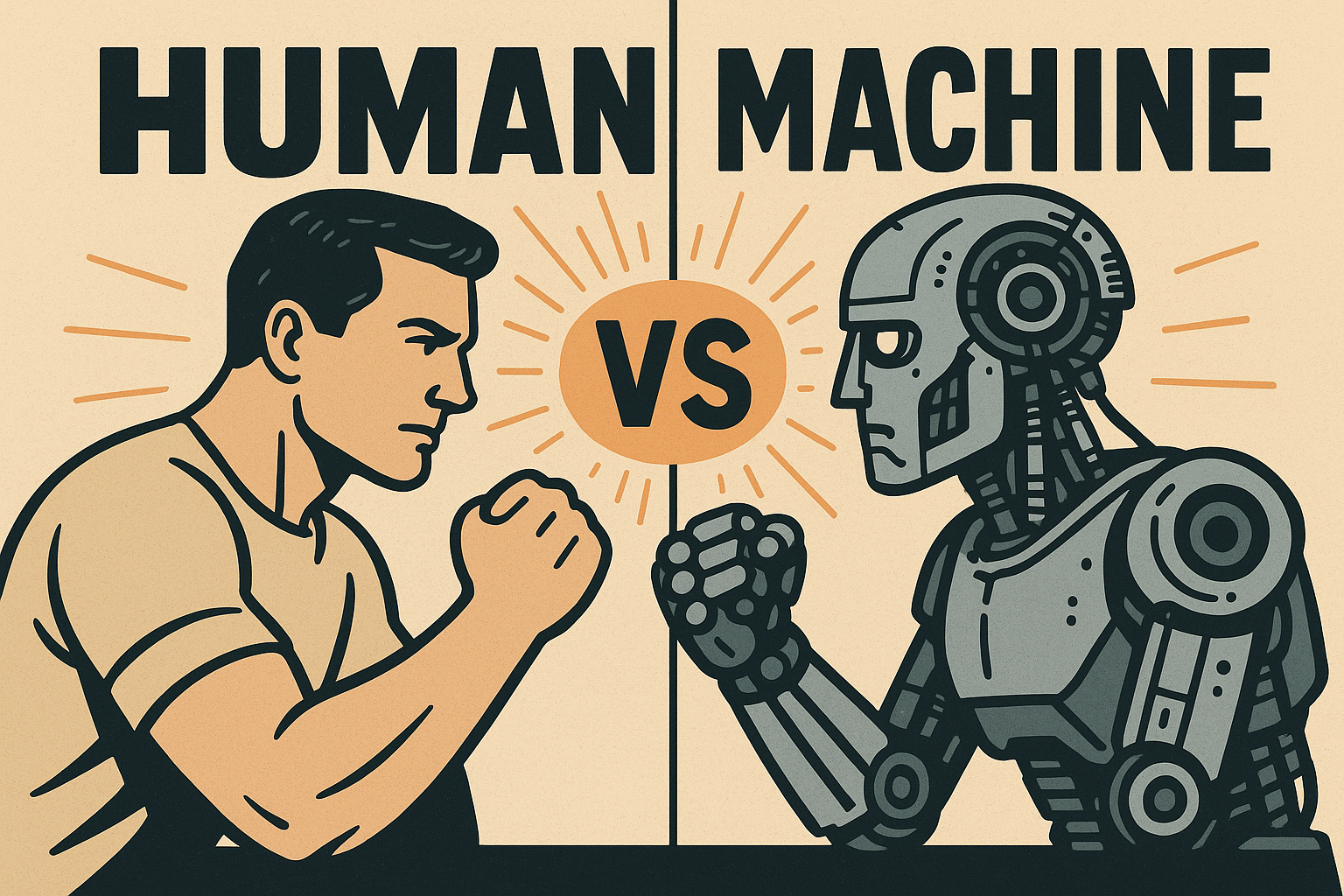
The robots aren’t coming for your job—they’re already here for the boring parts of it.
Look around your workplace. See those tedious, mind-numbing tasks nobody wants to do? That’s prime Artificial Intelligence territory. In offices worldwide, AI systems are tackling data entry, sorting emails, scheduling meetings, and processing invoices while humans grab another coffee.
What makes Artificial intelligence perfect for routine work? It never gets bored, distracted, or needs a mental health day after formatting spreadsheets for eight hours straight.
Take customer service—chatbots now handle basic inquiries 24/7, freeing up human agents for complex problems only people can solve. Banking, too: AI systems process thousands of transactions per second without breaking a sweat or embezzling funds.
The magic happens when AI replaces the mundane stuff. A marketing team I spoke with recently automated their social media analytics reporting—what took a junior employee two full days now happens overnight while everyone sleeps.


2. Productivity Gains Through Artificial Intelligence Replacement
The numbers don’t lie—companies implementing AI properly are seeing serious productivity boosts.
A McKinsey study found businesses using AI reported productivity increases averaging 30-40% in departments where it was thoughtfully deployed. But here’s the kicker: the biggest gains didn’t come from replacing workers but from enhancing what they already do.
AI tools are like having a super-powered assistant who:
- Finds patterns in massive datasets humans would miss
- Drafts documents and code that humans refine
- Suggests solutions based on analyzing thousands of similar cases
- Predicts problems before they happen
Real talk: doctors using AI diagnostics can review medical images in half the time with greater accuracy. Lawyers using AI contract review tools can process documents 90% faster. These professionals aren’t being replaced—they’re becoming superhumans at their jobs.
3. Job Displacement vs. Job Creation Statistics
The million-dollar question: is Artificial Intelligence killing more jobs than it creates?
Current data paints a nuanced picture:
| Sector | Jobs Potentially Displaced | New Jobs Created |
|---|---|---|
| Manufacturing | High (20-30%) | Low (5-10%) |
| Healthcare | Moderate (10-15%) | High (15-25%) |
| Financial Services | High (20-25%) | Moderate (10-15%) |
| Retail | High (15-20%) | Low (5-10%) |
| Tech | Low (5-10%) | Very High (30-40%) |
The World Economic Forum’s latest report estimates AI will displace 85 million jobs by 2025 but create 97 million new ones. The catch? They’re not the same jobs, and they’re not for the same people.
4. Changing Skill Requirements for Modern Workers
The skills keeping you employed today might not cut it tomorrow.
Technical literacy is no longer optional—it’s the price of admission. But don’t panic and sign up for that coding bootcamp just yet. The most AI-resistant skills are surprisingly human:
Critical thinking is gold in an AI world. Machines can analyze, but humans must decide what questions matter in the first place.
Creative problem-solving remains firmly human territory. AI can generate options, but it can’t judge which solution is elegant versus which is merely functional.
Emotional intelligence—reading rooms, building trust, navigating conflicts—these are skills AI can’t touch. A manager who understands team dynamics will always outperform an algorithm.
Adaptability might be the ultimate career skill now. The workers thriving alongside AI aren’t necessarily the most technically skilled—they’re the ones who can continually reinvent themselves as technology evolves.
5. Content Creation and Media
AI can now write articles, create images, compose music, and even produce videos. Platforms like Midjourney, Sora, and LLaMA are powering the next wave of generative creativity. While human creativity still leads in emotional depth and nuance, AI is narrowing the gap fast, especially in marketing, journalism, and design.
Suggested Infographic: “Human vs. AI Creativity – Who Leads in What?”
Conclusion: A Complement or a Competitor?
While AI is clearly advancing in capabilities that mimic or exceed human performance in certain areas, the bigger question is not just if it can replace us—but should it? The future may not be a binary choice between human and machine, but a hybrid world where the two complement each other. However, as AI continues to evolve, individuals and societies must prepare—rethinking education, work, and ethical boundaries in a world where intelligence is no longer uniquely human.
Bottom line: AI isn’t making humans obsolete—it’s changing what being valuable as a human means.
Call to Action: Are you ready for the AI future? Share your thoughts in the comments below, and subscribe for more deep dives into how emerging technologies are reshaping our world.